Paraísos artificiales
Galería Vértice, Oviedo
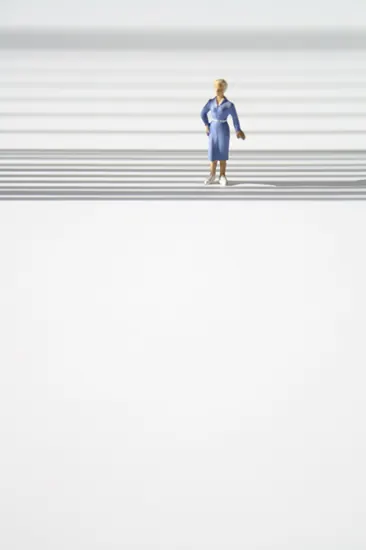
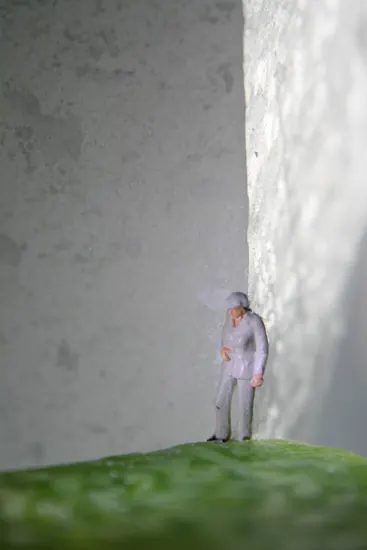
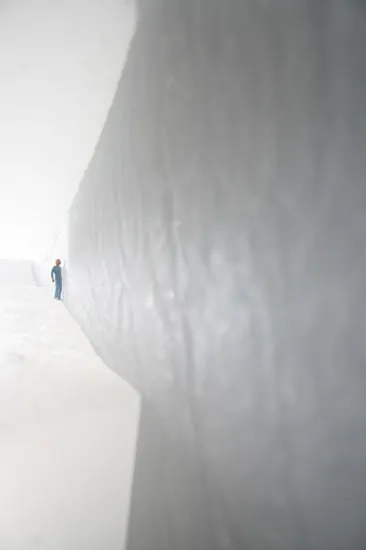
The series Paraísos artificiales [Artificial paradises], which Carlos Suárez presents at Galería Vértice, gives yet another twist to his iconography of the limits of subjectivity. The pictorial-object constructions and micro-installations have settled…

Publication: Paraísos artificiales
Read the full text
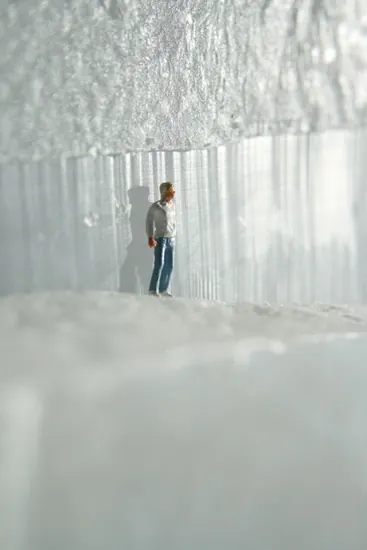
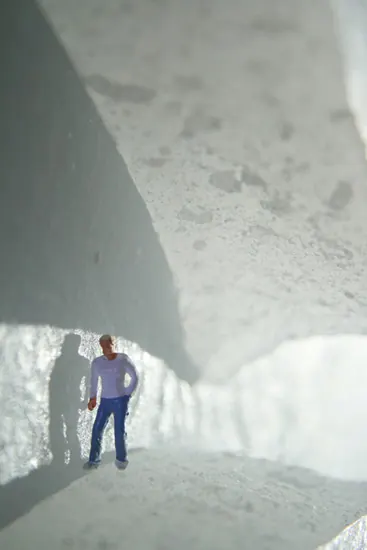
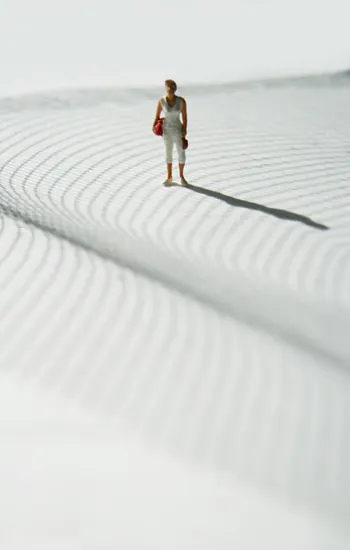
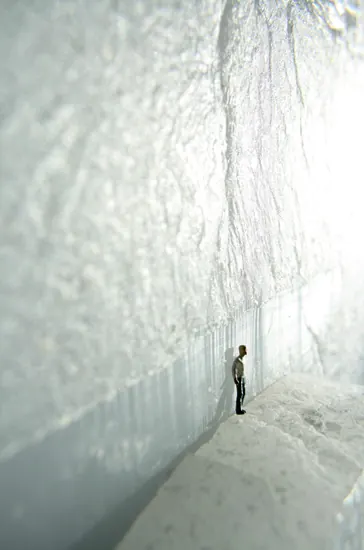
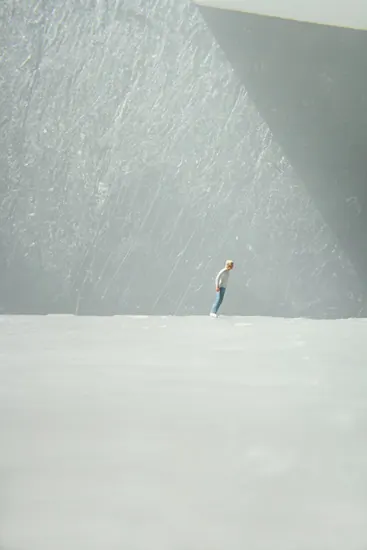
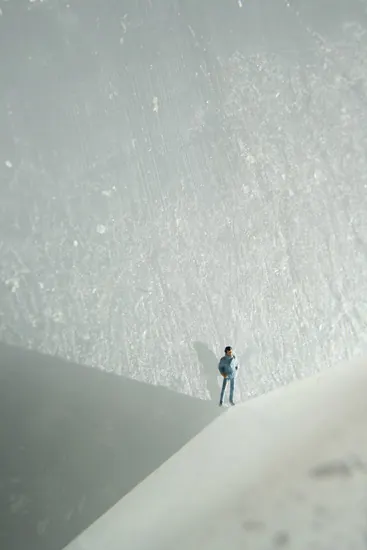
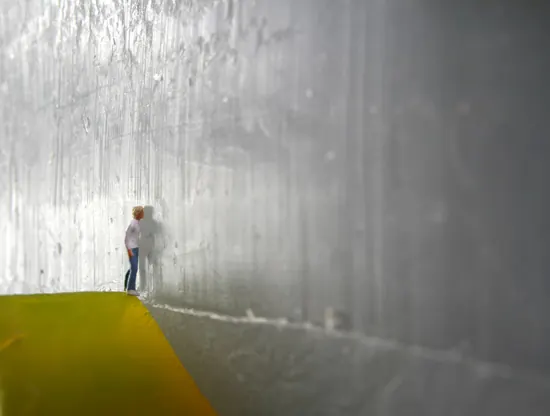
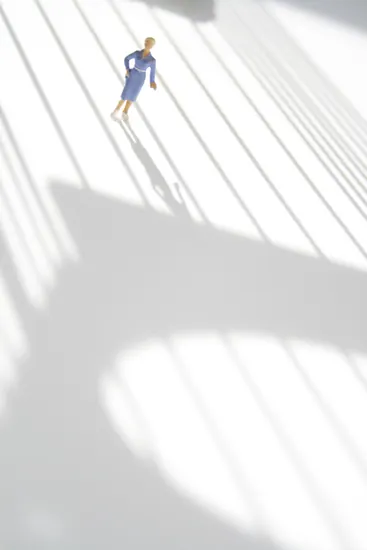
The series Paraísos artificiales [Artificial paradises], which Carlos Suárez presents at Galería Vértice, gives yet another twist to his iconography of the limits of subjectivity. The pictorial-object constructions and micro-installations have settled into photographs. All those figures appearing amid paraffin or wax are now a singular scenography flattened by the camera, which serves the artist as a powerful instrument of reflection. We know that although photography reproduces the world, it does so only in fragments. Stanley Cavell has no difficulty in locating the essence of the photographic image in the necessity of cropping: “A photograph is cropped, not necessarily by a paper cutter or by masking, but by the camera itself. […] The camera, being finite, crops a portion from an indefinitely larger field. […] When a photograph is cropped, the rest of the world is cut out. The implied presence of the rest of the world, and its explicit rejection, are as essential in the experience of a photograph as what it explicitly presents”[1]. And indeed Carlos Suárez is relocating his obsessions in another space, cropped or pinpointed through photography, which at the same time dematerialises the earlier spatiality and intensifies the poetic drift of the staging. We must stress that description, in the contemporary context, means copying what has already been copied, a passage between simulacra and the vertiginous expansion of a photographic cartography of the world. Craig Owens pointed out that the deconstructive impulse is characteristic of postmodern art in general and must be distinguished from the self-critical tendency of modernism; modernist theory presupposes that mimesis, the adequation of an image to a referent, can be bracketed or suspended, and that the art object itself can be substituted (metaphorically) for its referent. Postmodernism neither brackets nor suspends the referent but works instead to problematise the activity of reference[2] — to theatricalise representation, as Carlos Suárez does in his photographs. The earlier “miniaturisation” gives way to a greater prominence of the figure, placed in geometric spaces of an unsettling whiteness.
[1] Stanley Cavell: The World Viewed, Viking Press, New York, 1971.
[2] Cf. Craig Owens: “The Allegorical Impulse: Toward a Theory of Postmodernism”, in Beyond Recognition. Representation, Power, and Culture, University of California Press, Berkeley, 1992, pp. 52–87. “If postmodernist art is referential, it refers only to ‘the problematisation of the activity of reference’. For example, it may ‘steal’ types and images in order to develop a critical ‘appropriation’ — both of a culture in which images are commodities and of an aesthetic practice that remains (nostalgically) attached to an art of originality” (Hal Foster: “Asunto: Post”, in Arte después de la modernidad. Nuevos planteamientos en torno a la representación, Ed. Akal, Madrid, 2001, p. 197).
— Fernando Castro Flórez. Extracto del texto del catálogo de la exposición “Paraísos artificiales”, Galería Vértice, Oviedo, 2008