Tierras de Koningsbos
Luarca, Oviedo and Madrid
The landscape that interests Carlos Suárez is precisely the one that is dying out: the agricultural landscape, which goes unnoticed and survives in European countries thanks to subsidies and tariffs, with tightly controlled production…


Publication: Tierras de Koningsbos
Read the full text
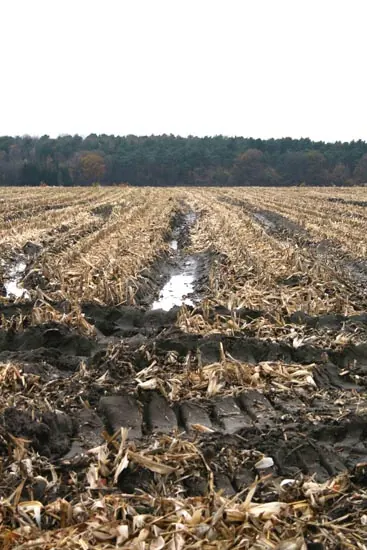
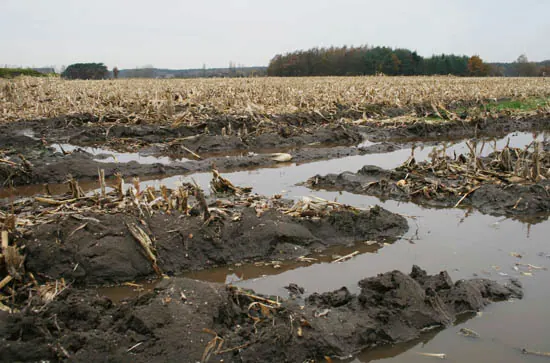
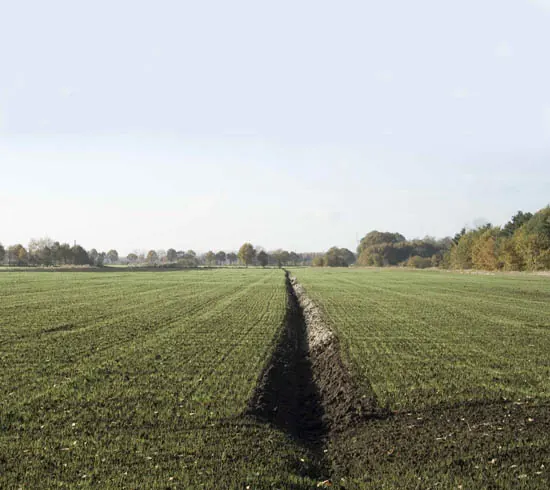
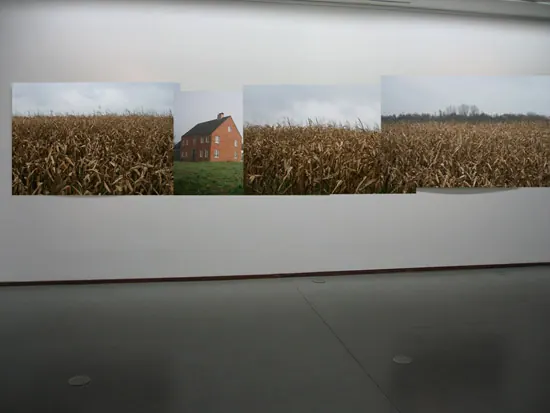
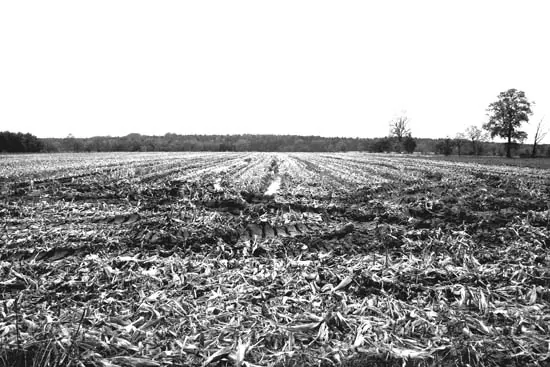
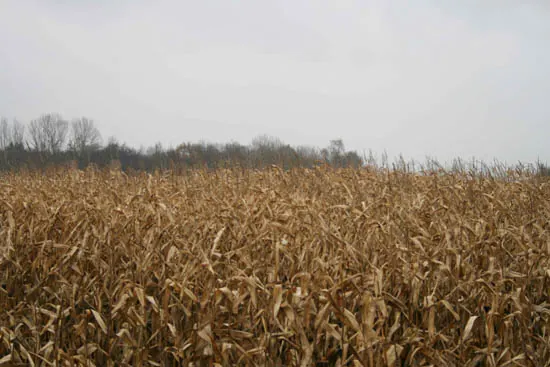
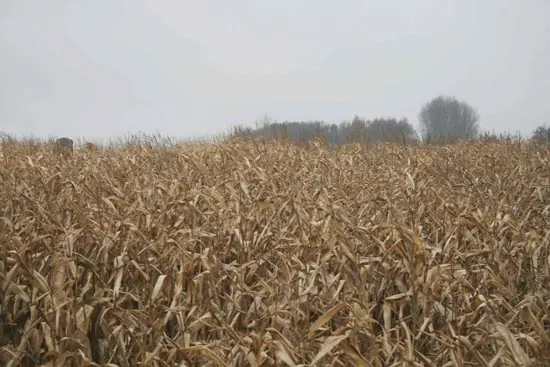
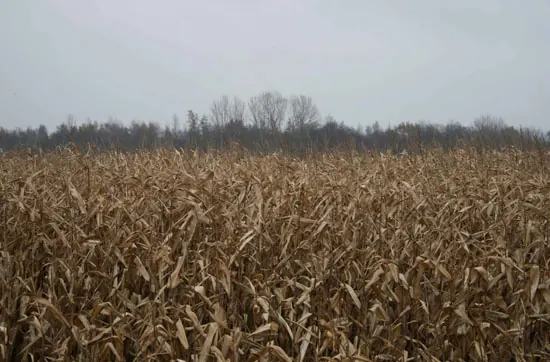
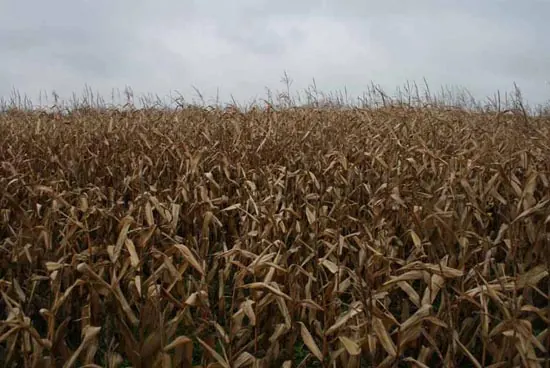
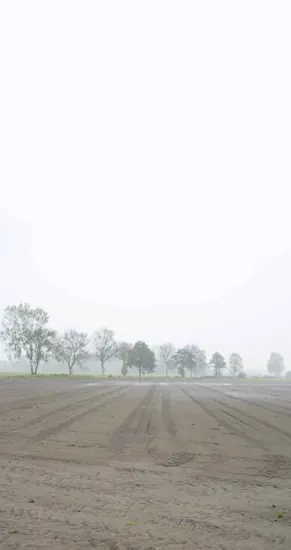
The landscape that interests Carlos Suárez is precisely the one that is dying out: the agricultural landscape, which goes unnoticed and survives in European countries thanks to subsidies and tariffs, with tightly controlled production concerned only that no surpluses should saturate the market and cause prices to fall. A landscape practically abandoned as a result of the industrialisation of agriculture, the exodus of farmers to the city and globalisation, which makes “proximity to an agricultural setting”[1] unnecessary for cities. The vision the artist offers of these maize fields anchored in the geography is close to ruins — but ruins far removed from any Romanticism or transforming image, and closer to tragedy and destruction, with the humble, yellowing cobs bending, holding up an ancestral culture in mid-air. It is certainly not the ideal landscape constructed by the bourgeoisie to delight the eye, the garden with green fields, ponds and streams; it is far from any aesthetic appeal, so irregular and muddy does it appear after tilling; and its proximity to the forests makes it part of popular legends and myths, a far from noble memory compared with other territories distinguished by illustrious battles or turned into a source of inspiration for painters and poets. And yet Carlos Suárez is drawn to these agrarian outskirts which, like the suburbs evoked by Smithson in his tour of Passaic, “exist without a rational past and without the ‘big events’ of history”[2] — places nobody notices because they have an uncertain present and have lost their future.
[1] «In times not so distant, the agricultural landscape surrounded cities and was their historical and economic foundation, since it guaranteed food for their inhabitants. But it no longer seems necessary. Urban subsistence in the age of globality does not depend on proximity to an agricultural setting», Horacio Fernández, op. cit., 2006, p. 92.
[2] Robert Smithson, p. 20, Un recorrido por los monumentos de Passaic, Nueva Jersey [A Tour of the Monuments of Passaic, New Jersey], Editorial Gustavo Gili, Barcelona, 2006.
— Jaime Luis Martín, extracto del catálogo