Mares de otro mundo
Galería Almirante, Madrid
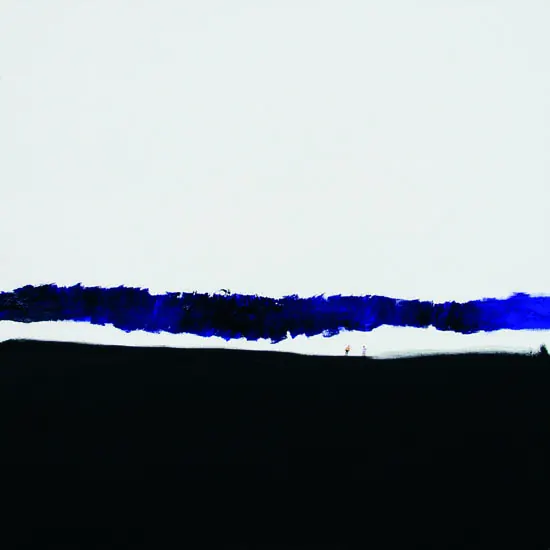
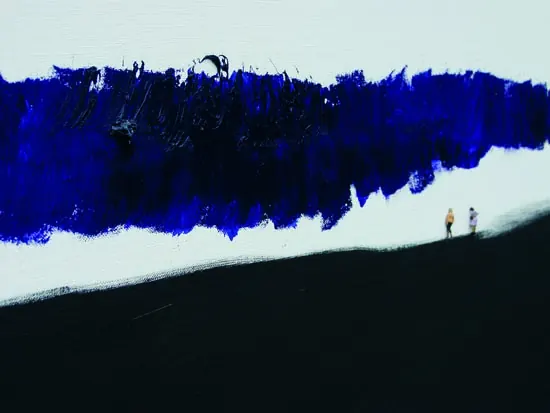
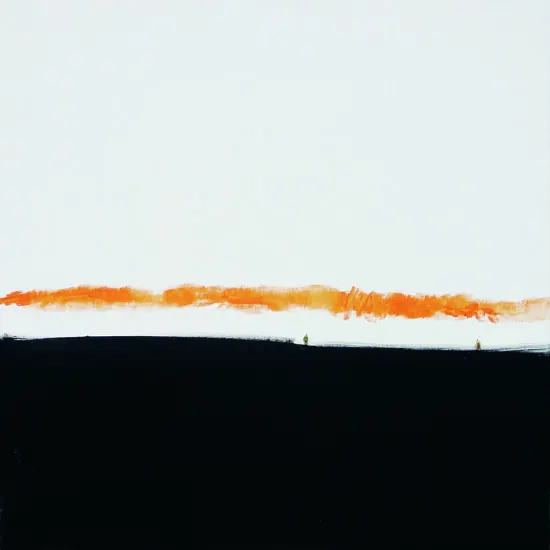
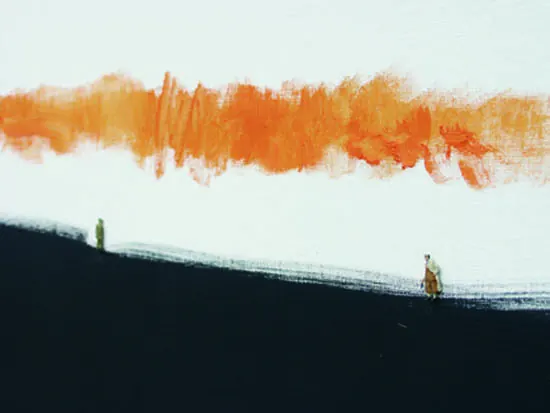
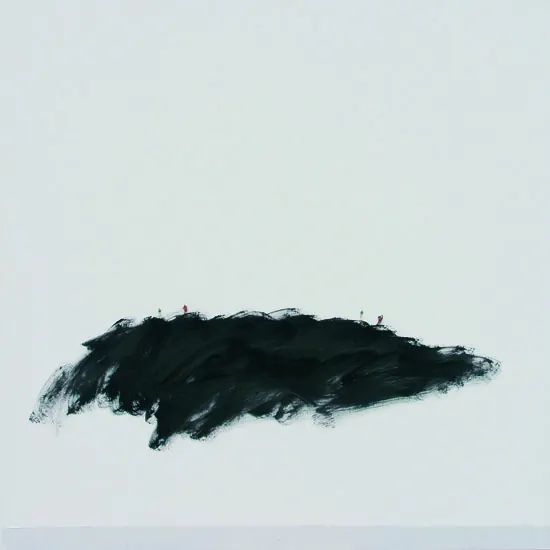
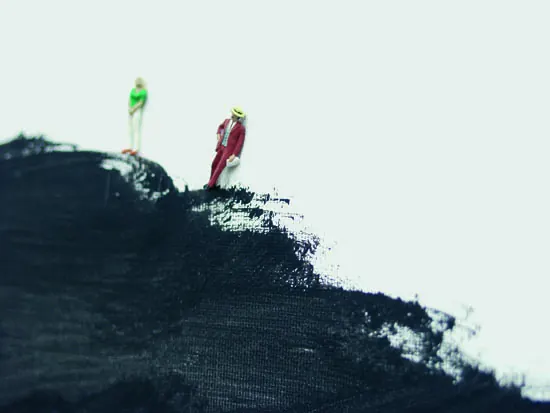
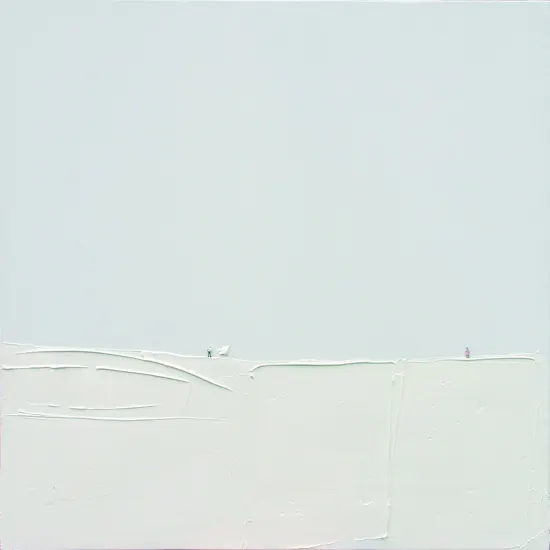
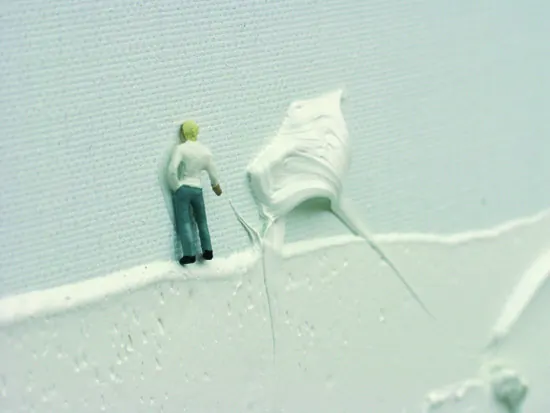
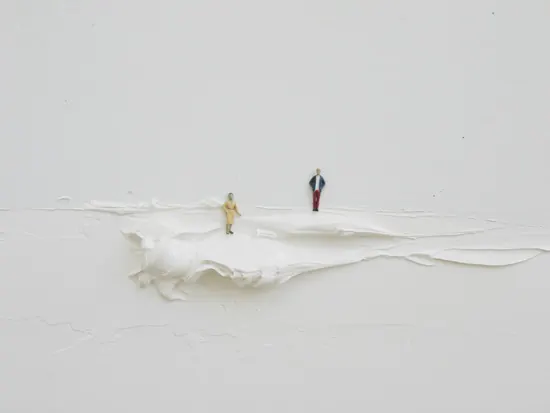
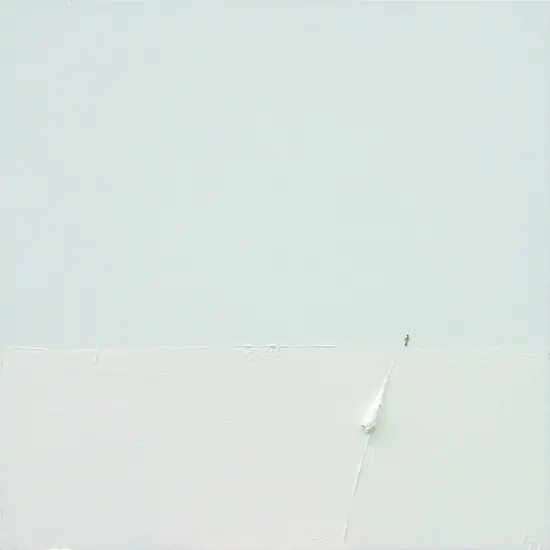
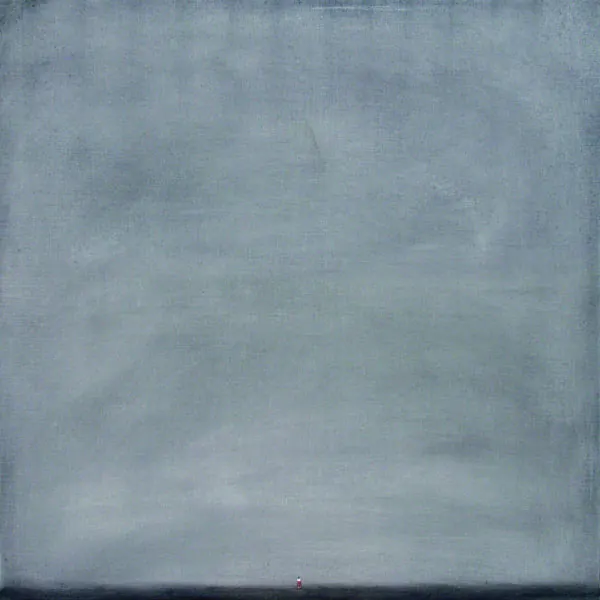
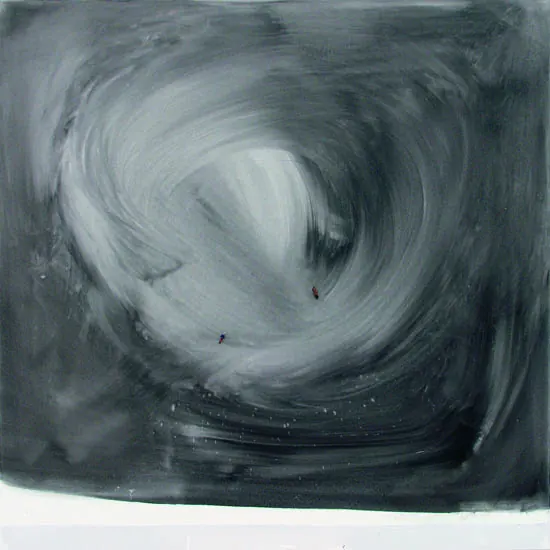
Horizontal structures directly linked to the Romantic notion of landscape. There is no doubt that these new pieces are indebted to “The Monk by the Sea”, the work painted by Caspar David Friedrich in 1810, one of the most…
Publication: Mares de otro mundo
- Photography
- J. Ferrero
Read the full text
Horizontal structures directly linked to the Romantic notion of landscape. There is no doubt that these new pieces are indebted to “The Monk by the Sea”, the work painted by Caspar David Friedrich in 1810, one of the most characteristic works — if not the most characteristic — of German Romanticism. The monk stands on the line of the horizon, facing an almost boundless sea, blurred by its turbulence and roughness, beneath an immense, overwhelming sky. Friedrich has placed his protagonist at the centre of the conflict, at the epicentre of infinite nature, thereby underlining his minuteness before its grandeur.
Most of the works presented in this exhibition focus on this painterly side and are brought together under the title “Mares de otro mundo” [Seas from another world]. Suárez is a regular reader of the León-born writer Julio Llamazares, whose contribution to the film “Flores de otro mundo” [Flowers from Another World] did not go unnoticed by the Asturian artist. The film, directed by Icíar Bollaín, tells the unusual story of a group of women (from the Dominican Republic, Cuba… and even Bilbao) who arrive in Santa Eulalia, a village near Guadalajara, on a caravan organised by the village men to make up for the small number of women living there. Their arrival is a small revolution for the inhabitants. The expectations on both sides are evident, as shown by the first scene of the bus arriving in the village, advancing amid the cheering of the local boys. The tone of the film is, I think, imbued with tenderness, but there is an interesting succession of ideas that are highly relevant: the difficult adaptation of the immigrant women and the loneliness of the country men. As we suggested earlier, Carlos Suárez’s small figures seem immersed in continuous reflection. There is a permanent uncertainty, heightened by the context in which they move: the enormous expanse of the canvas, understood — and presented by the artist — as the immensity of the sea. Many images in “Flores de otro mundo” allude to that unsettling sense of loneliness. Milady, the Cuban woman, in the telephone box; Milady, who longs for a freedom she will never find in that village, a village that is nothing but a prison. That being in the middle of nowhere, alone, desperately alone.
— Javier Hontoria. Extracto del texto del catálogo de la exposición “Mares de otro mundo”, Galería Almirante, Madrid, 2004